Three Lessons of Global Security: Oleksandr Syrskyi on the Future of Defense Strategies
The Commander-in-Chief of the AFU outlined key lessons from the war in Ukraine at the Halifax Forum, emphasizing peacetime preparation and technological leadership.
 🛡️Security
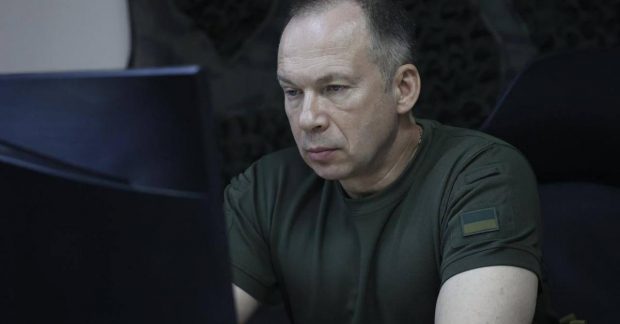
Photo: UNIAN
Key points
- Peacetime preparation is the most effective way to deter potential aggression.
- Existing international security frameworks have failed and need urgent reform.
- Technological adaptation and the speed of learning are decisive factors in modern warfare.
During his speech at the Halifax International Security Forum in Canada, the Commander-in-Chief of the Armed Forces of Ukraine, Oleksandr Syrskyi, presented a comprehensive analysis of modern military challenges. His address to global leaders and security experts was based on the experience of countering full-scale Russian aggression, which has fundamentally altered perceptions of modern warfare.
Readiness and Collective Security Reform
The first lesson emphasized by the General is the critical need to prepare for national defense during peacetime. Syrskyi stressed that peace is extremely fragile, and political shifts can turn a stable region into a combat zone almost instantly. He argued that the principle of "if you want peace, prepare for war" remains a primary condition for deterring an aggressor, as only genuine readiness can prevent conflict.
The second conclusion involves the crisis of existing international institutions. The Commander-in-Chief noted that current collective security mechanisms failed to stop the invasion and require immediate transformation. He pointed out that the scale of combat in Ukraine demands colossal resources that many countries would struggle to provide alone. Therefore, the world needs new algorithms that allow partners to act in a coordinated and timely manner.
Technology and the Human Factor on the Battlefield
The third lesson is continuous military development through the implementation of cutting-edge technologies. In modern conflicts, the advantage goes to those who adapt to changes on the battlefield most quickly. Syrskyi emphasized that armies must not only develop their own technologies but also instantly adapt troop training to new realities.
"The advantage goes to the one who learns and adapts faster," the General stated.
Despite the rapid advancement of robotic systems, the Commander-in-Chief noted that there are currently no technologies capable of fully replacing a soldier on the battlefield. He concluded by reminding the audience that the resilience of Ukrainian defense and the prospects for ending the war depend not only on internal efforts but also on consistent support from international allies to exhaust the enemy's offensive potential.
Source UNIAN — unian.ua/war/viyna-v-ukrajini-sirskiy-rozpoviv-yaki-uroki-mayut-zas… ↗
Read next
 🧠AI Analysis
Russia Expands Kamenka Military Base Near Finnish Border: Impact on Kharkiv Front
Satellite imagery reveals large-scale reconstruction at the Kamenka garrison, home to the 69th Division currently deployed in the Kharkiv direction.
 💼Economy
Booking at Risk: Why Thousands of ArcelorMittal Metallurgists May Face Mobilization
Due to production halts at ArcelorMittal Kryvyi Rih, workers risk losing their mobilization deferment as their income falls below the required threshold.
 🧠AI Analysis
Latest Russian Corvette 'Merkuriy' Sinks After Drone Attack in Libya
Satellite imagery has confirmed that the Russian naval corvette 'Merkuriy' sank in the Libyan port of Benghazi following a drone strike.
 🧠AI Analysis
Medieval Mystery: How an Accidental Field Discovery Revealed the Legacy of King Alfred
While ploughing a field, a farmer came across a unique gold ornament with an inscription linked to the ruler of Wessex.
 ⚽Sport
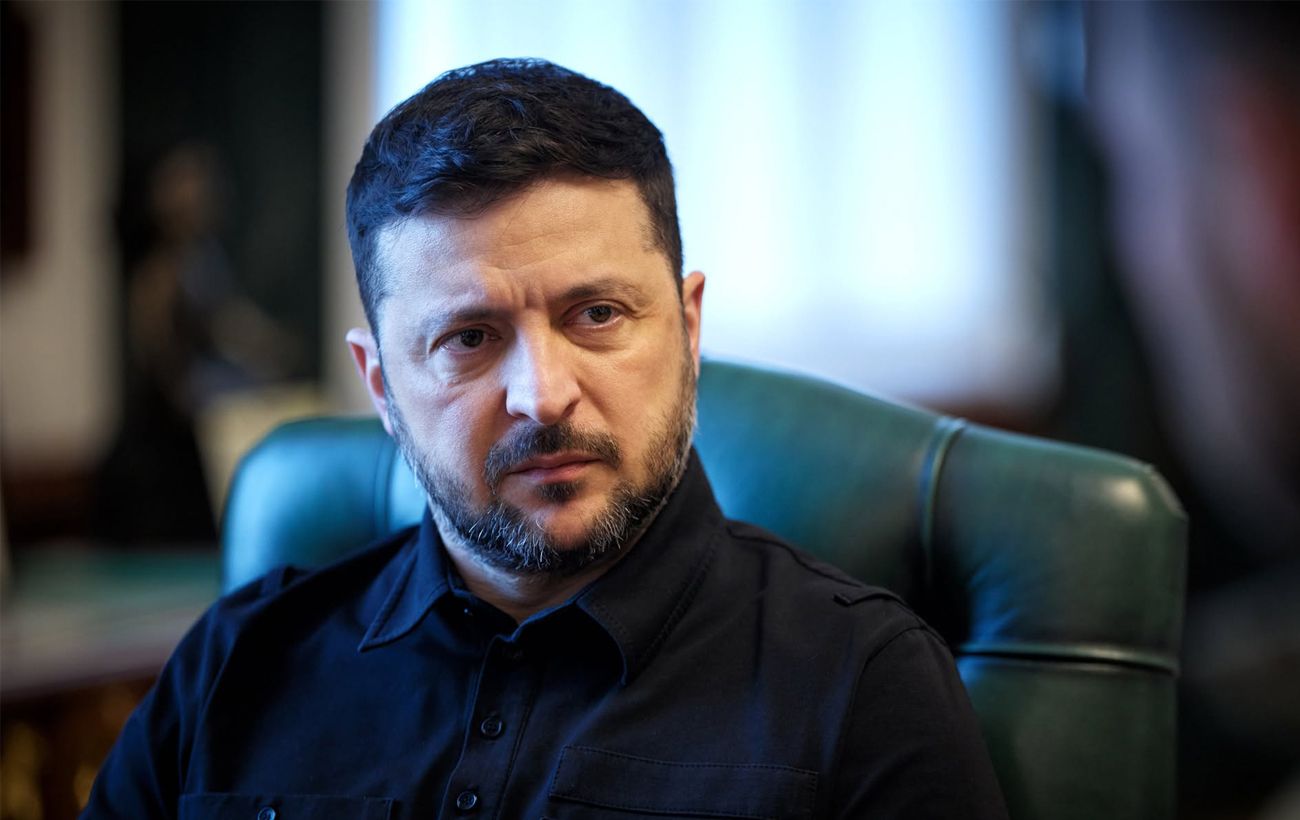
Zelenskyy Announces GUR Report on Updated Russian Strike Plans and Energy Situation
President Volodymyr Zelenskyy reported on an intelligence briefing regarding updated Russian strike plans and held a meeting on repairing energy infrastructure damages.
 💡Tech
Retro Gaming Meets AI: Enthusiast Runs ChatGPT on a Super Nintendo Console
Tech journalist Benj Edwards has adapted a miniature version of a language model to run on the classic 1990s Super Nintendo entertainment system.