Challenging Heating Season Launch in Izyum: Damaged Boiler Houses and Staff Shortages
Centralized heating has partially started in the Izyum community. However, due to damage from attacks and a shortage of personnel, several apartment buildings will remain without central heat this winter.
 👥Society
Photo: city-izyum.pp
Key points
- Five boiler houses have been launched in Izyum, with 9–10 more planned for operation.
- At least 5–6 multi-story buildings will be disconnected from central heating due to severe damage.
- Utility companies face severe shortage of boiler operators due to safety risks.
The start of the heating season in the liberated Izyum community is taking place under extremely difficult conditions. Although the front line has shifted to more than 40 kilometers from the city, the aftermath of recent strikes continues to severely hinder municipal utility services.
Over the past four months following intensified Russian attacks, more than 700 private houses and over 40 multi-story residential buildings in the community have been damaged. Critical local infrastructure, particularly central heating facilities, has also suffered repeated strikes by enemy drones.
Repeated Strikes and Severe Staffing Deficit
One of the key boiler facilities was struck twice by Shahed drones, with new hits occurring shortly after repair efforts were completed. Beyond physical damage to equipment, the utility sector faces a critical shortage of technical personnel.
- The most severe deficit is among boiler house operators.
- Workers are resigning or hesitant to take night shifts due to fear of targeted strikes on critical facilities.
- Although military deferment options are available for municipal employees, the manpower shortage remains unresolved.
Building Disconnections and Housing Challenges
Initial plans aimed to supply central heating to 144 apartment buildings across the city. However, due to heavy destruction, at least 5 to 6 buildings will have to be disconnected from the central heating network this winter.
"There are boiler houses that are currently damaged, which we are repairing now to reconnect them as soon as possible... Despite significant destruction, the heating season has partially begun," stated local official Serhiy Fedchenko.
The situation is further complicated by the lack of vacant housing in Izyum to temporarily relocate affected residents. Currently, central heating is operating only in the central district of Izyum, where 5 boiler houses are online and another 9 to 10 are being prepared for launch. Private sector residents continue to rely on gas or firewood for heating.
Source city-izyum.pp — city-izyum.pp.ua/damaged-boiler-houses-and-staff-shortages-are-delaying… ↗
Read next
 🧠AI Analysis
NBU Updates Official Exchange Rates: Dollar and Euro Increase
The National Bank of Ukraine has set the official exchange rates for November 24, recording an increase in the value of both the US dollar and the euro following a previo…
 💼Economy
National Bank Weakens Hryvnia: Official Exchange Rates for November 24
The National Bank of Ukraine set the official exchange rates for the US dollar and euro for November 24, recording a decline in the hryvnia's position.
 🛡️Security
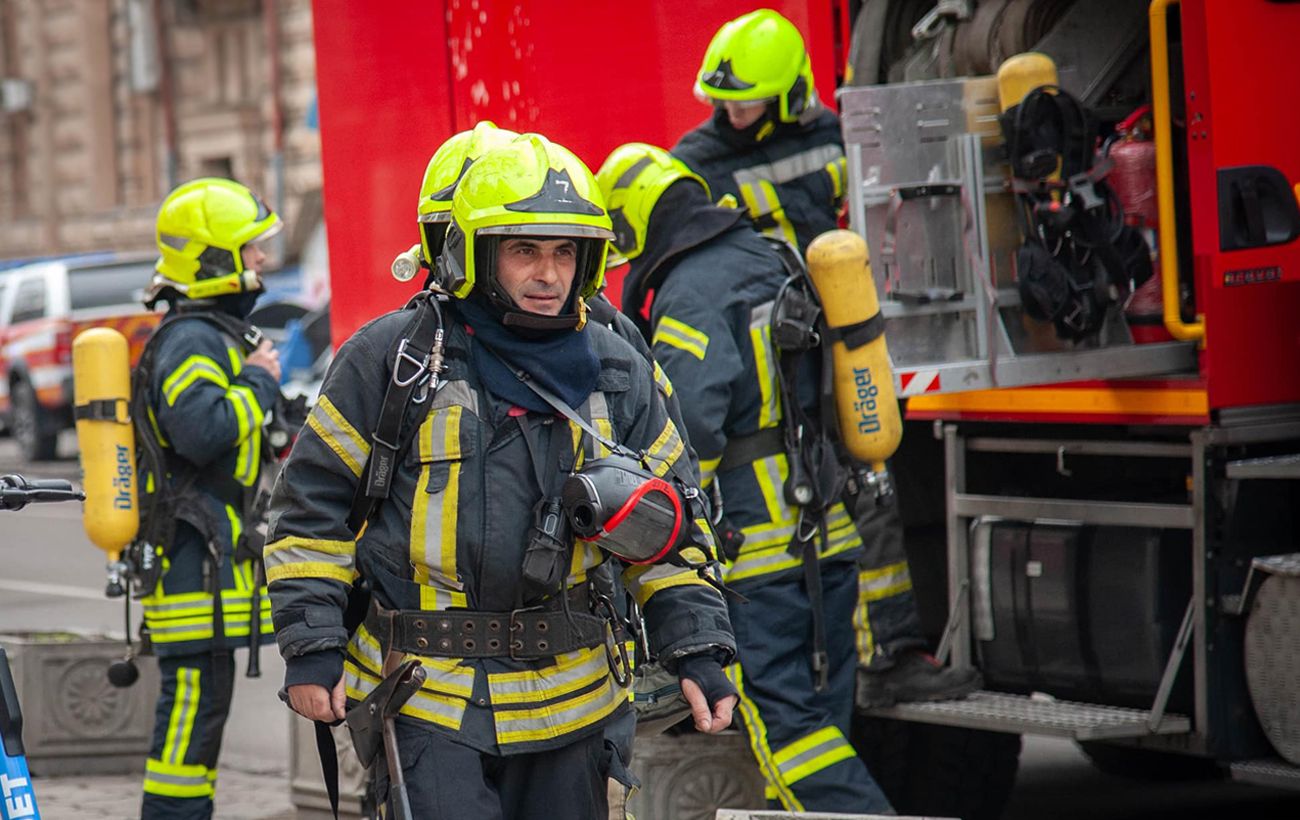
Enemy Drone Attack on Kyiv: Casualties and Fires Reported After Debris Falls
On Monday, November 23, Russian forces launched another drone attack on Kyiv. Debris falls in three districts of the capital caused vehicle fires and injuries.
 🛡️Security
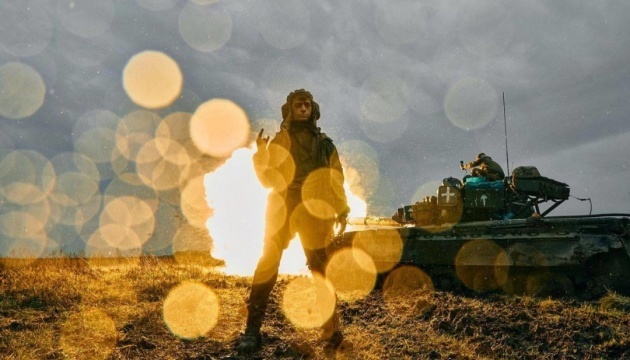
Defense Ministry: Ukraine liberated more territory than Russia captured over the last two months
Defense Minister Yevhenii Khmara reported significant Russian losses and positive territorial gains for Ukraine during his address to NATO.
 🇺🇦Ukraine
The Kremlin's New Nuclear Blackmail: Medvedev Outlines Conditions for Using WMD
Dmitry Medvedev, Deputy Chairman of the Security Council of the Russian Federation, has once again threatened the use of the nuclear arsenal against Ukraine and its partn…
 🇺🇦Ukraine
European Commission favors multilateral format for negotiations with Russia
The European Commission has confirmed receipt of an invitation from the Russian side but emphasized the importance of a collective approach to security discussions.