Crisis in France: Why Macron’s Centrist Project Faces Collapse
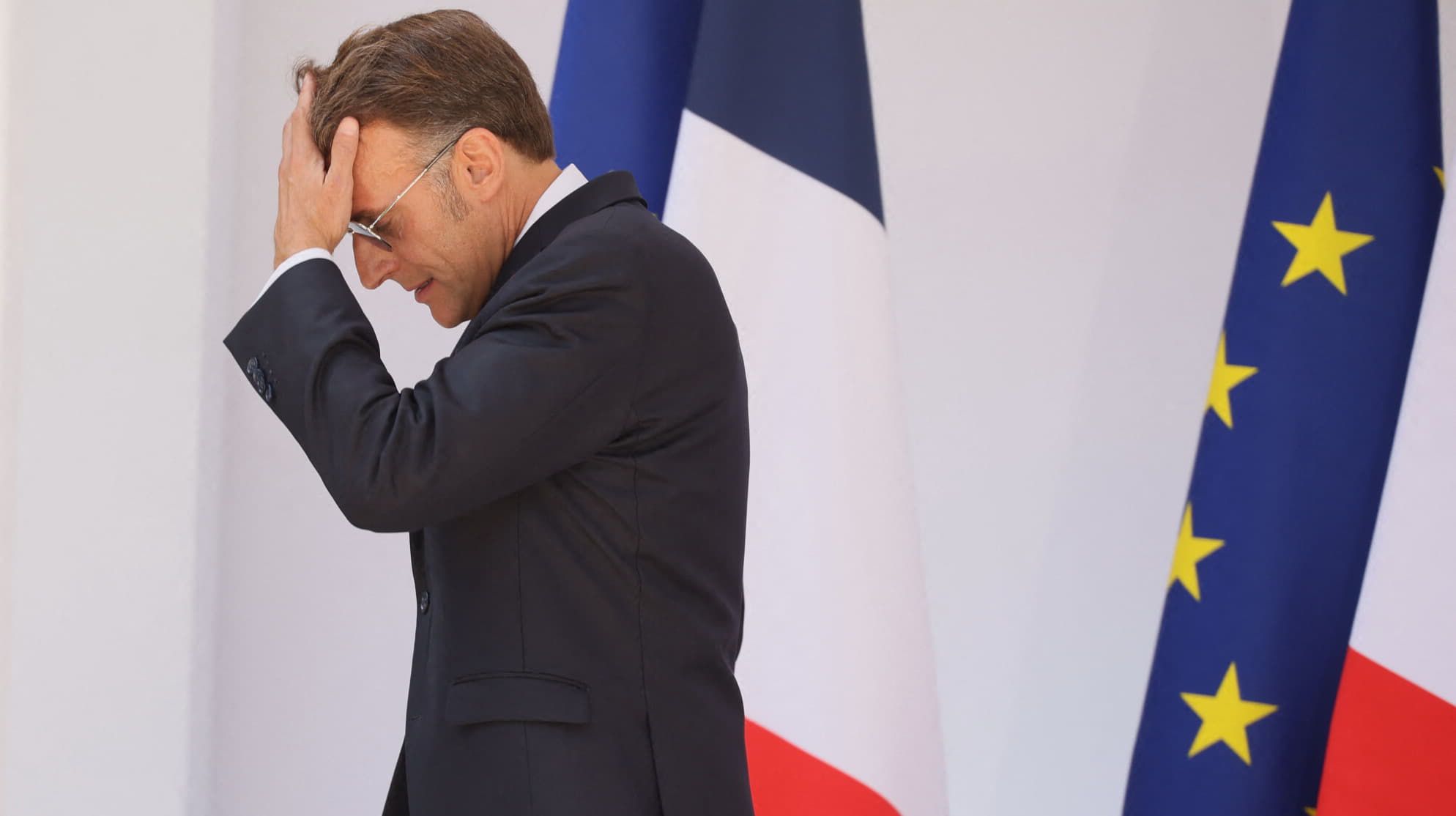
President Emmanuel Macron struggles with political isolation and social unrest as radical forces gain momentum ahead of the upcoming elections.
 💼Economy
Photo: Ukrainska Pravda
Key points
- Macron's 'top-down' leadership style has led to significant political isolation.
- Historical trends show French presidents often struggle at the end of their mandates.
- Radical movements are proposing fundamental changes to the French constitutional order.
The French Republic is currently navigating a period of intense social and political turbulence that President Emmanuel Macron is struggling to contain. This crisis unfolds less than six months before the presidential elections, where radical forces from both the far-right and far-left appear to be gaining significant momentum. The centrist project that brought Macron to power in 2017 is facing a critical test of survival.
Historical Context and Leadership Style
The decline of presidential popularity is not a new phenomenon in France. Since 1962, nearly every leader, from Charles de Gaulle to François Hollande, has ended their term facing significant challenges or scandals. However, Macron’s current isolation is partly attributed to his unique "top-down" governance style. By attempting to rule without traditional intermediaries like political parties or regional mayors, he created a system that lacks a solid foundation during times of unrest.
"France is a republic that loves to have kings, but eventually tires of them," suggests the analysis of his tenure. Macron’s movement, En Marche, functioned more as an election headquarters than a structured political party. This lack of institutional support, combined with his tendency to bypass local authorities, has left the executive branch vulnerable.
The Rise of Radical Alternatives
- Marine Le Pen’s far-right movement continues to capitalize on public discontent.
- Jean-Luc Mélenchon leads a far-left bloc advocating for a "Sixth Republic."
- Both radical wings share a skepticism toward traditional mediating institutions.
As the political landscape shifts, the future of France’s governance remains uncertain. The failure to build a new, inclusive political structure on the ruins of the old party system may lead to a radical transformation of the French state, with significant implications for its international role and internal stability.
Source Ukrainska Pravda — pravda.com.ua/columns/2026/11/19/8063587/ ↗
Read next
 🩺Health
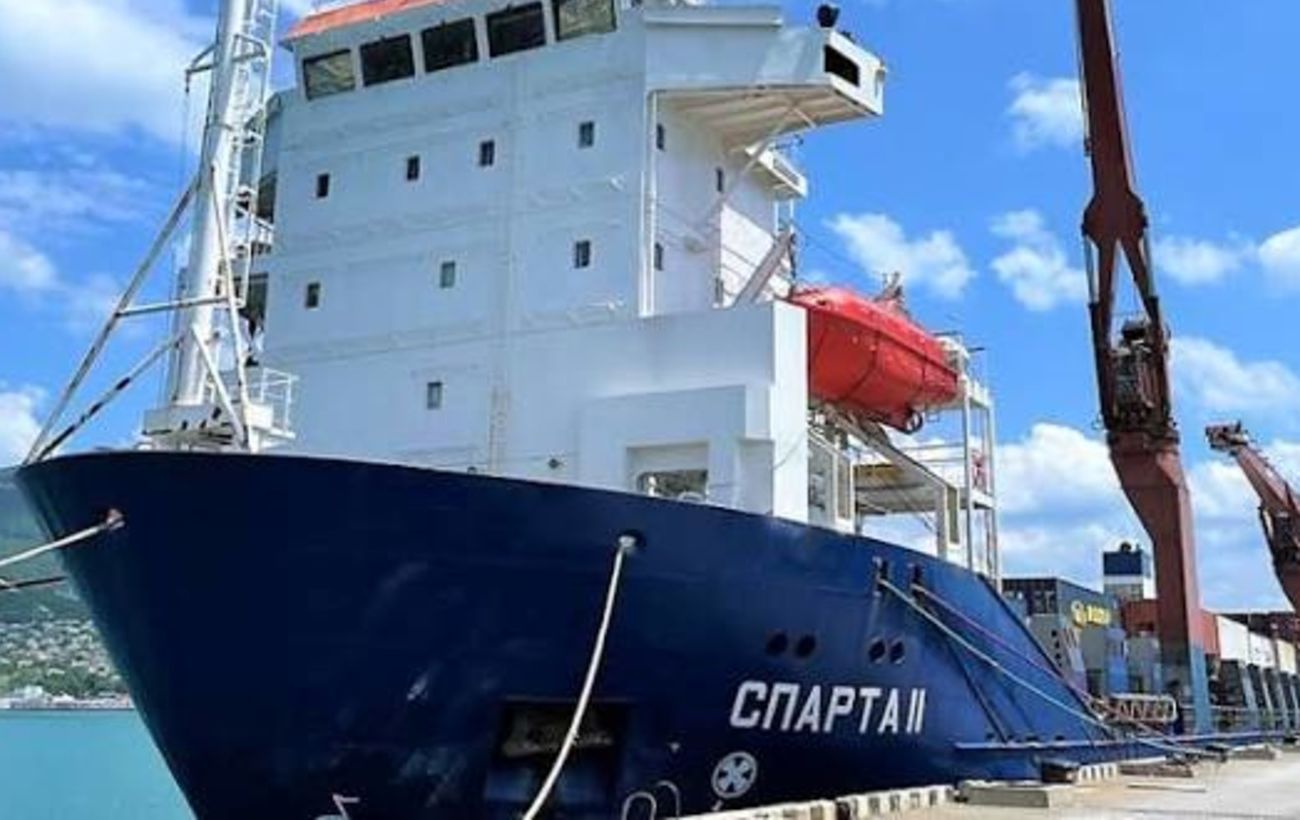
Fire on Russian Vessel in Finnish Waters Following Drone Attack: Operations Continue
Emergency teams in Finland are continuing firefighting operations aboard the Russian cargo vessel Sparta II following a drone strike.
 🩺Health
Interagency standoff: NABU initiates case against SBU special forces over seized funds
The National Anti-Corruption Bureau has launched a prosecution against SBU Alpha special unit fighters over the seizure of $25,000 during last year's searches.
 🩺Health
Attack on Dymer: Fourteen Residents Uncontactable Following Residential Building Strike
A 5-story residential building was partially destroyed following a drone attack in Dymer, Kyiv region, as search and rescue operations continue.
 🧠AI Analysis
The Philosophy of Repair: How Infrastructure Resilience Relies on Daily, Unseen Labor
An exploration of how Ukraine faces wartime winters through the lens of infrastructure repair, invisible labor, and complex ecological dilemmas.
 🚨Events
Enemy attacks energy infrastructure in Zhytomyr region four times in a day
Russian forces launched four drone strikes on the energy infrastructure of the Zhytomyr region within a day, attempting to cut off residents' electricity and heating.
 🚨Events
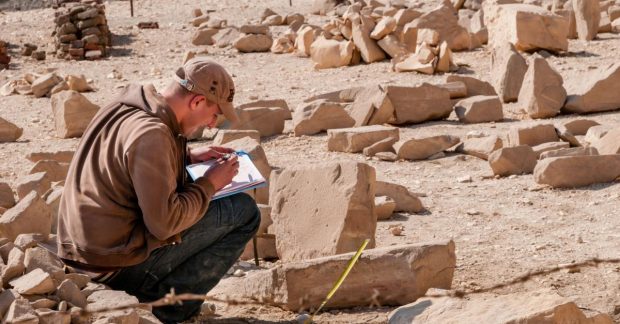
Monumental Tombs from the Era of King Herod Discovered in Palestine
Researchers near ancient Jericho have found three funerary complexes dating back about 2,000 years with rare artifacts.